Award Winners 2026
The Endre A. Balazs Prize
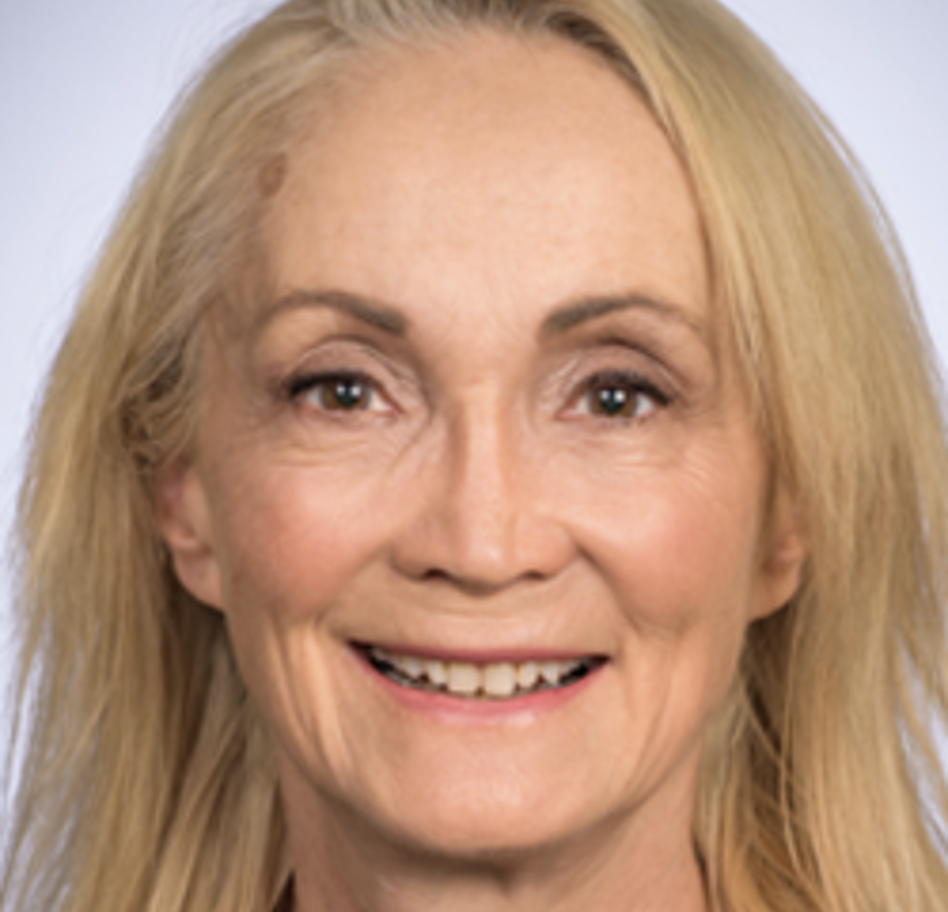
Dr. Ching-Hwa Sung
“Keeping Sight in Focus: Protein Trafficking and Organelle Crosstalk in Retinal Homeostasis and Disease“
Will be awarded during the Opening Ceremony
on Monday, August 24
from 10:30 – 12:00
in Auditorium 1
Biography
Dr. Sung, a native of Taiwan and Professor of Cell Biology in Ophthalmology at Weill Cornell Medicine, first discovered a passion for experimental science not in a laboratory, but in the kitchen, exploring chemistry through cooking. That curiosity led to studies in food science and chemistry at National Taiwan University, followed by a Ph.D. in Microbiology and Immunology and a transition into biomedical research. She later moved to the United States for postdoctoral training with Dr. Jeremy Nathans, where their work identified numerous rhodopsin mutations responsible for retinitis pigmentosa (RP). These studies helped refine clinical classification and revealed that many mutant proteins fail to traffic properly to the photoreceptor outer segment. Notably, they showed that rhodopsin mislocalization—even without defects in phototransduction—can trigger rod degeneration. These findings sparked a long-standing research program focused on protein trafficking to the photoreceptor outer segment, a specialized primary cilium. This work has uncovered how protein trafficking and organelle interactions operate in both healthy and diseased photoreceptors, and how their disruption leads to degeneration. Her studies also reveal key insights into mechanisms that regulate ciliary homeostasis and length. Beyond the eye, her research has advanced the understanding of ciliopathies in the brain and kidney. In more recent work, she has developed innovative RPE-specific mutant mice that replicate dry age-related macular degeneration, providing new approaches to study disease mechanisms. Complementing her animal model studies, her research employs advanced ultrastructural tools, including 3D-focused ion-beam scanning electron microscopy, to explore the complex interactions among photoreceptors, RPE, and glia, providing an unprecedented view of these cells within the outer retinal complex. Dr. Sung’s contributions have significantly advanced vision science and continue to shape the field.
The Ernst H. Bárány Prize
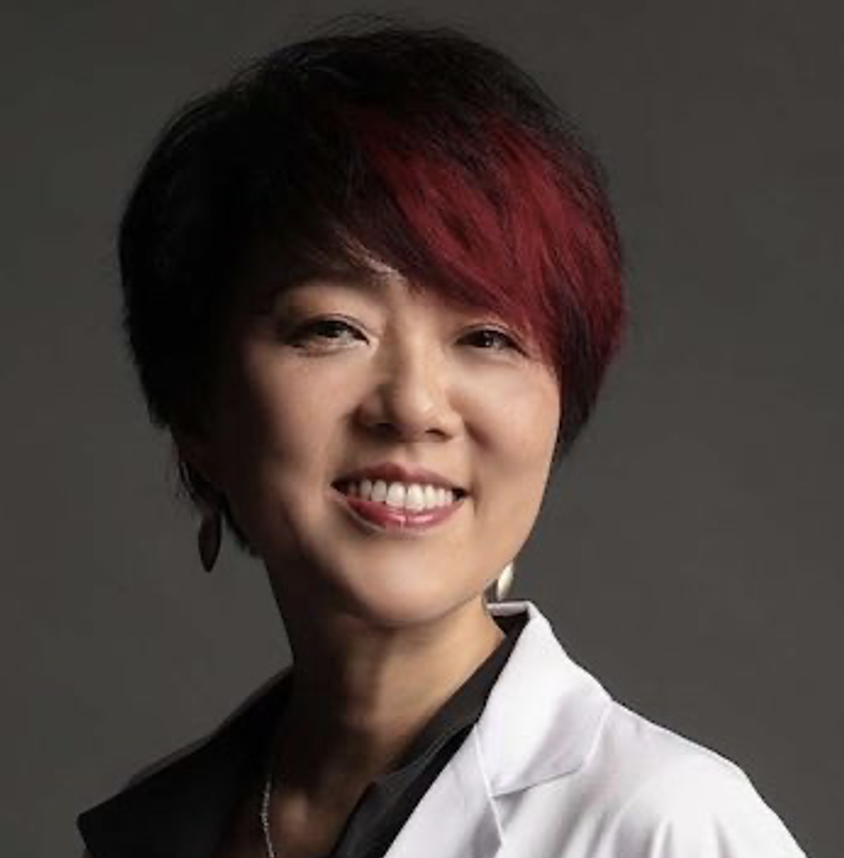
Dr. Daniel Stamer
“A winding journey to uncover molecular mediators that regulate aqueous outflow and intraocular pressure“
Will be awarded during the Prize Ceremony and Lecture
on Tuesday, August 25
from 10:30 – 12:00
in Auditorium 1
Biography
Daniel Stamer, Ph.D., is an expert in the pharmacology of aqueous humor dynamics, the mechanobiology of conventional outflow, and the pathobiology of ocular hypertension. Educated at the University of Arizona, Dr. Stamer earned a Bachelor of Science in Molecular and Cellular Biology in 1990 and then a doctorate in Pharmacology and Toxicology in 1996. After completing two research fellowships, Dr. Stamer started his research program at the University of Arizona in 1999, rising through the ranks to full Professor and Director of Ophthalmic Research. He was recruited to Duke University in 2011, where he currently serves as the Joseph A.C. Wadsworth Distinguished Professor of Ophthalmology, Professor of Biomedical Engineering and Co-Vice Chair of Basic Science Research. The primary research focus of the Stamer laboratory is to understand the molecular and cellular mechanisms that regulate aqueous humor outflow such that novel targets can be identified and exploited therapeutically to lower intraocular pressure in people with glaucoma. Over the past 30+ years, Professor Stamer has pioneered the development of cellular, tissue, organ culture and murine model systems for use by his laboratory and others to study conventional outflow biology. He has identified and characterized many of the endogenous signaling molecules that mediate conventional outflow homeostasis, particularly those that respond to mechanical stimuli. In parallel, his laboratory has worked closely with industry, assisting 60+ biotechnology companies in their development/pre-clinical testing of new classes of glaucoma drugs that target the diseased conventional outflow pathway responsible for ocular hypertension. Research progress by Professor Stamer is documented in 200+ peer-reviewed primary publications, 36 refereed review articles/white papers, 9 book chapters and 24 editorials, having over 15,000 citations (H-Index of 69, Google Scholar). His work was awarded the 2012 Rudin Prize, election to the Glaucoma Research Society in 2022 and the 2026 Bárány Prize.
The Paul Kayser International Award in Retina Research
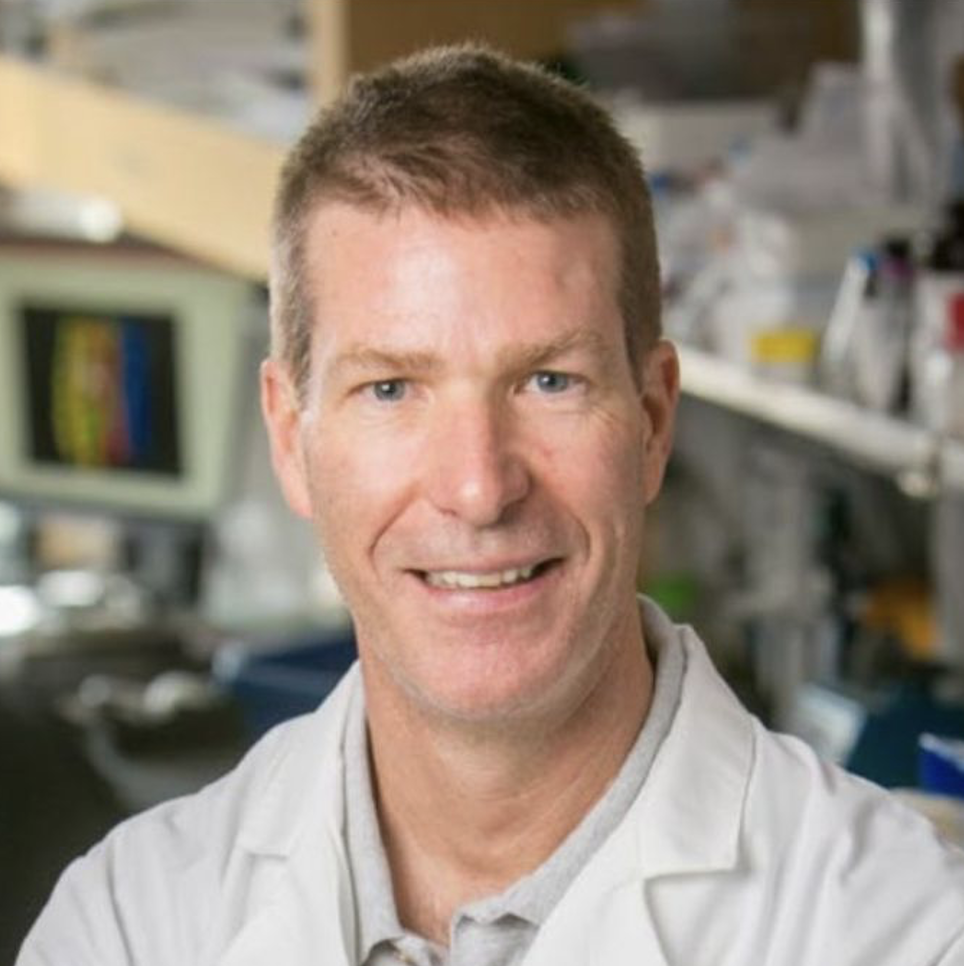
Dr. Janet Sparrow
“Shining a Light on Vitamin A-aldehyde Adducts”
Will be awarded during the Prize Ceremony and Lecture
on Wednesday, August 26
from 10:30 – 12:00
in Auditorium 1
Biography
Janet Sparrow is the Anthony Donn Professor of Ophthalmic Science at Columbia University. She also holds an appointment in the Department of Pathology and Cell Biology. In pioneering studies, Dr. Sparrow’s laboratory developed procedures to elucidate the complex composition of the lipofuscin of retina. By establishing the structures; spectral characteristics; and biosynthetic pathways they demonstrated that RPE lipofuscin consists of a mixture of visual cycle adducts (bisretinoids). Her group also demonstrated that the toxicity of bisretinoids is attributable to their photoreactive and photodegradative properties and to their reactivity when confronted with iron-catalyzed hydroxyl radical. They demonstrated conditions such as a high fat diet under which their formation is increased. This work has included an exploration of therapies – for instance gene therapy and small molecules – aimed at depleting or reducing bisretinoid accumulation. An understanding of bisretinoids aids interpretations of in vivo fundus autofluorescence given that bisretinoids are the source of blue fundus autofluorescence. The work impacts several retinal disorders including retinitis pigmentosa and ABCA4-related disease; BEST disease; mutations in RDS/peripherin2 and disorders originating from the dysfunctioning of the visual cycle. Janet has provided evidence that unchecked bisretinoid formation can also occur as a secondary feature of photoreceptor cell impairment. Janet has cultivated numerous collaborations. Along with continuous funding, Dr. Sparrow has published more than 250 papers. She has received numerous awards that include the Lew R Wasserman Merit award; Senior Scientific Investigator Award and Stein Innovation Award from Research to Prevent Blindness. She also received the Alcon Research Institute Award and an American Academy of Ophthalmology Achievement Award.
The Ludwig von Sallmann Prize
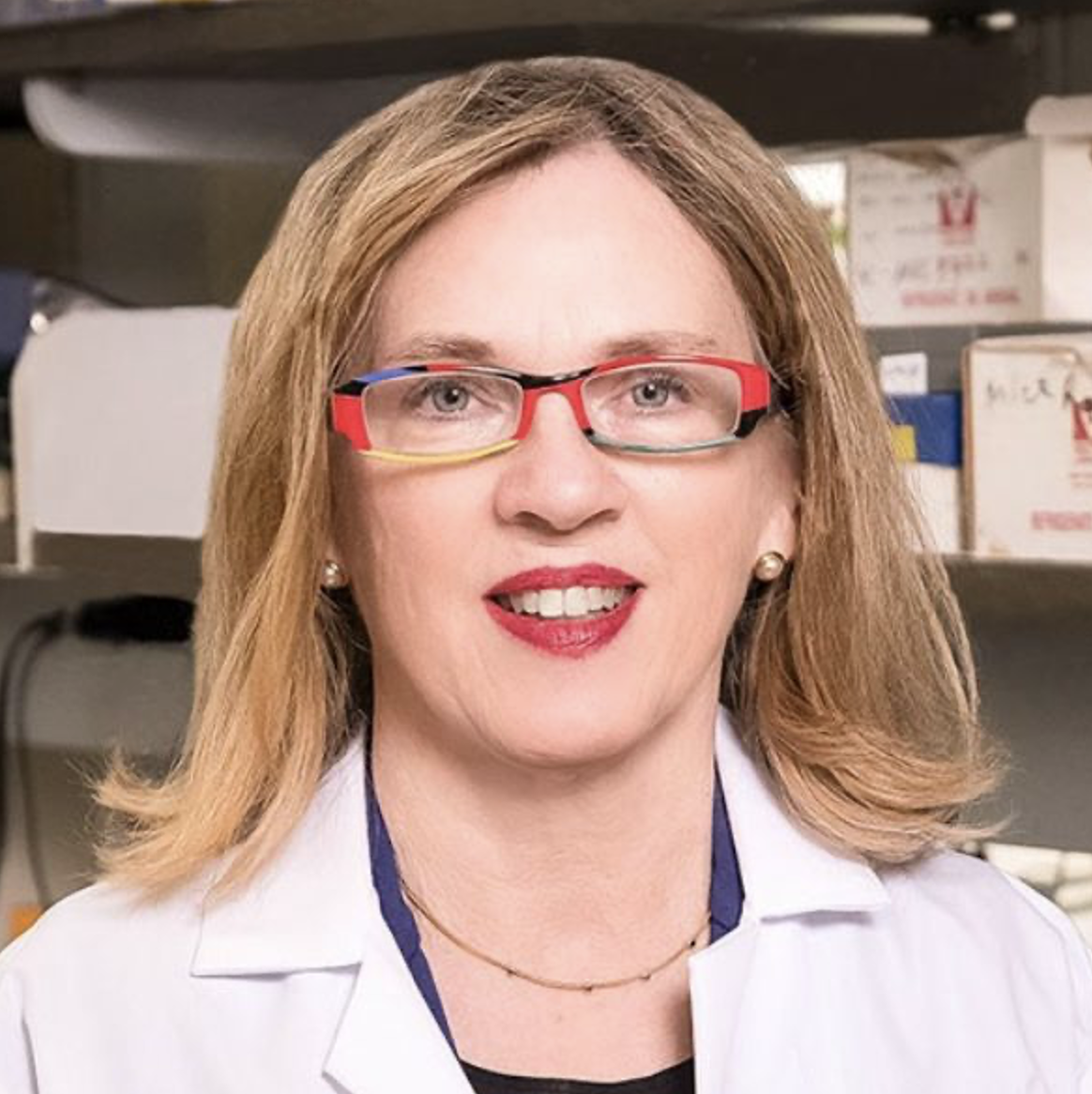
Lois E. H. Smith
“Translational studies in retinopathy”
Will be awarded during the Prize Ceremony and Lecture
on Thursday, August 27
from 10:30 – 12:00
in Auditorium 1
Biography
Lois E. H. Smith M.D., Ph.D. is a clinician/scientist at Boston Children’s Hospital and Professor of Ophthalmology at Harvard Medical School. Her basic research work is in retinal neovascular diseases, both basic mechanism and translation to treatment including diabetic retinopathy, retinopathy of prematurity, age-related macular degeneration and retinitis pigmentosa. She developed the oxygen-induced retinopathy mouse model in 1994 and in this model defined oxygen-induced factors where she showed VEGF is necessary for ischemia-induced proliferative retinopathy and for normal vascular development. She defined the role of growth hormone and IGF-1 in retinopathy, with an ongoing clinical trial of supplemental IGF-1 to prevent complications of preterm birth. She showed that omega-3 fatty acids are critical to retinopathy and that oral supplementation can modulate the omega-3 /omega-6 ratio in retina to inhibit pathological angiogenesis, resulting in a clinical trial to prevent ROP in preterm infants. She has focused more recently on metabolic function in photoreceptors, driving vessel loss and neovascularization. She is a member of the editorial boards at IOVS, eLife, Ophthalmology Science, and Journal of Clinical Investigation. She also serves on the Thome Awards Committee, the Helen Keller Prize Committee, the Bressler Prize Committee, the Alcon Research Institute Awards Committee, The Knights Templar Scientific Advisory Committee, Bright Focus Awards Committee and is a member of the Lowy Medical Research Institute Board of Scientific Governors (MacTel). Her awards include the Heed-Gutman Award from the Society of Heed fellows, the Silverman Award American Academy of Pediatrics, Pediatric Academic Society and Asian Society for Pediatric Research, NIH Director WALS lecturer for outstanding contributions to science, Honorary Doctorate from University of Montreal, Gold fellow of Association for Research in Vision and Ophthalmology (FARVO), the Friedenwald Award (ARVO), the Alfred W. Bressler Prize in Vision Science, and the Alcon Research Institute Award for outstanding contributions to ophthalmic research.
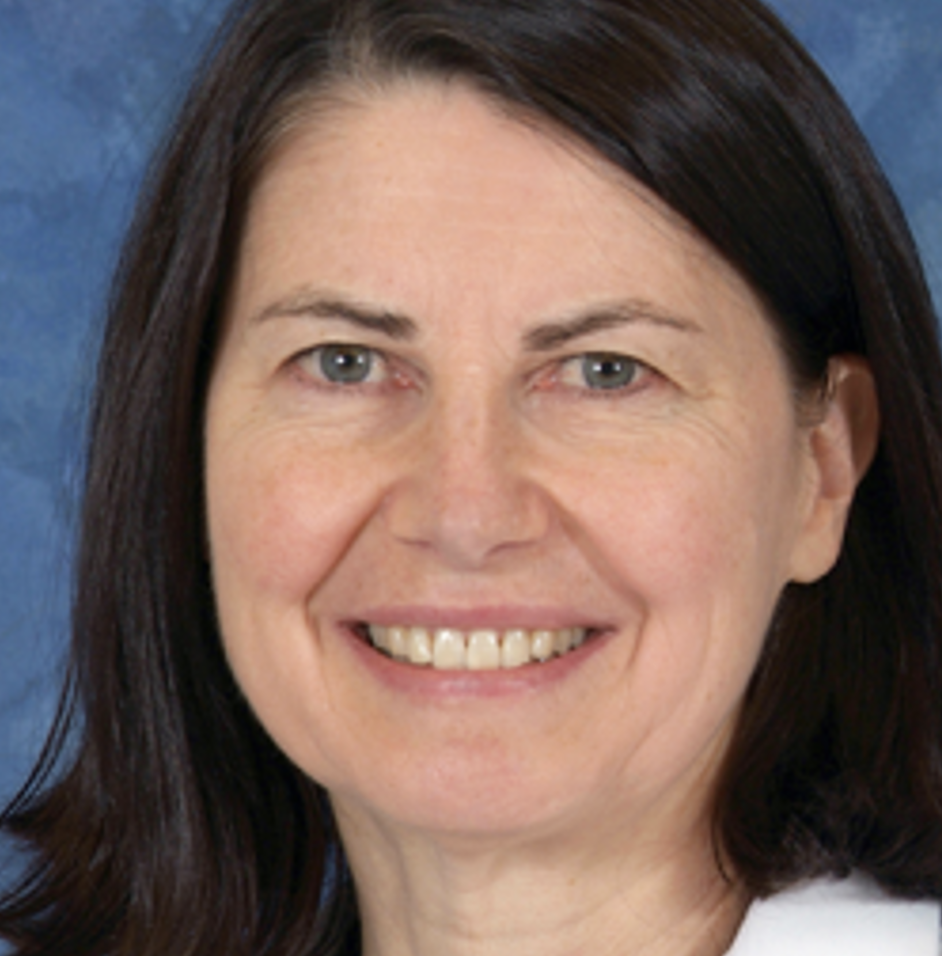
Maria B. Grant
“Inside-Out Solutions for Management of Diabetic Retinopathy”
Will be awarded during the Prize Ceremony and Lecture
on Thursday, August 27
from 10:30 – 12:00
in Auditorium 1
Biography
The Grant Laboratory has focused on understanding the pathogenesis of diabetic retinopathy (DR) for over three decades, with an emphasis on uncovering systemic mechanisms that drive retinal disease. Over the last ten years, the laboratory has pioneered research on the gut–retina axis, establishing how bidirectional communication between the intestine and the retina influences retinal inflammation and vascular dysfunction in diabetes. In 2018, the laboratory demonstrated that intermittent fasting alters the gut microbiome to protect against diabetic retinopathy by increasing microbial production of secondary bile acids, particularly tauroursodeoxycholate (TUDCA). This neuroprotective bile acid activates the TGR5 receptor, leading to reduced retinal inflammation. More recent work revealed that individuals with type 1 diabetes exhibit increased gut-derived circulating immune cells (ILC1s) and elevated markers of intestinal barrier dysfunction, which correlate positively with plasma angiotensin II levels and DR disease severity. To therapeutically target gut dysfunction, the laboratory developed probiotic Lactobacillus paracasei expressing ACE2 and generated mice with intestinal epithelial–specific overexpression of human ACE2. These approaches corrected gut barrier defects and both prevented and reversed diabetic retinopathy in Akita mice. Complementary studies demonstrated that impaired gut barrier function and dysbiosis in ACE2-deficient diabetic mice can be rescued through exogenous administration of myeloid angiogenic cells, highlighting a previously unrecognized gut–bone marrow axis in diabetic retinal disease. The laboratory has uncovered compelling evidence of transient bacteremia in both the plasma and retinas of diabetic mice, revealing a previously unappreciated mechanism by which systemic microbial translocation fuels retinal inflammation and blood–retinal barrier breakdown. Exciting ongoing studies demonstrate that targeted microbiome interventions including prebiotics such as alpha cyclodextran and postbiotics like indole propionic acid can preserve retinal barrier integrity and promote robust correction of diabetic retinopathy in models of type 2 diabetes. Together, these discoveries redefine interorgan communication in diabetic retinopathy and position microbiome-based interventions as a powerful and innovative therapeutic strategy.